Aboriginal Coordination
Culturally respectful support for Aboriginal and Torres Strait Islander participants, delivered in a safe, respectful, and empowering way.
Innovative Australian Care provides Aboriginal Coordination support for Aboriginal and Torres Strait Islander participants who require culturally responsive, person-centred and well-coordinated support across complex care environments.
Our approach recognises that effective support coordination is not just about arranging services. It is about building trust, listening carefully, understanding cultural identity, supporting connection to community, and coordinating practical supports in a way that respects the participant’s rights, goals, family relationships and lived experience.
IAC supports participants with complex disability, psychosocial, behavioural, clinical, housing, justice and transition-related needs. This page aligns with IAC’s broader clinical-led and transition-focused model, including support across hospital, justice, crisis and community settings.
Aboriginal Support Coordination
IAC provides Aboriginal Support Coordination for Aboriginal and Torres Strait Islander participants who need help understanding, using and coordinating their NDIS supports.
Our team works with participants, families, carers, guardians, service providers and community networks to help build a support system that is practical, respectful and aligned with the participant’s goals.
This may include support with:
- understanding the participant’s NDIS plan
- connecting with appropriate services and providers
- coordinating disability, health, housing and community supports
- strengthening informal and community-based support networks
- supporting culturally safe communication between services
- helping participants build confidence, choice and control
- identifying risks, barriers and gaps in support
- assisting with reports, reviews and service coordination
Our goal is to help participants access the right supports in a way that feels safe, respectful and empowering.
Aboriginal Specialist Support Coordination
For participants with more complex needs, IAC also provides Aboriginal Specialist Support Coordination.
This support is designed for participants whose circumstances may involve multiple services, high-risk situations, complex family or guardianship arrangements, hospital discharge, justice involvement, housing instability, behavioural support needs, psychosocial disability, trauma history or limited engagement with formal systems.
Specialist Support Coordination may involve:
- complex case coordination
- crisis and risk response planning
- transition planning from hospital, custody, temporary accommodation or unstable housing
- collaboration with clinicians, allied health teams and behavioural support practitioners
- coordination with justice, housing, child protection, health and community services
- support for participants with significant psychosocial or behavioural needs
- building provider teams around the participant
- resolving service gaps, conflicts or breakdowns
- preparing information for plan reviews and complex support needs
IAC’s role is to help bring structure, communication and accountability to complex situations, while keeping the participant’s goals, safety, culture and dignity at the centre.
Complex Care for Psychosocial Disabilities, Dual Diagnosis & Trauma
Culturally Responsive Support
Culturally responsive coordination means recognising that Aboriginal and Torres Strait Islander participants may have different experiences, preferences, family structures, community connections and support needs.
At IAC, culturally responsive support may include:
- taking time to build trust before moving too quickly into service planning
- respecting the participant’s cultural identity and connection to Country, family and community
- supporting engagement in a way that feels safe and non-judgemental
- working alongside family, kinship networks and trusted people where appropriate
- communicating clearly and respectfully
- recognising the impacts of trauma, disconnection, institutional systems and past service experiences
- coordinating supports that strengthen independence, stability and community connection
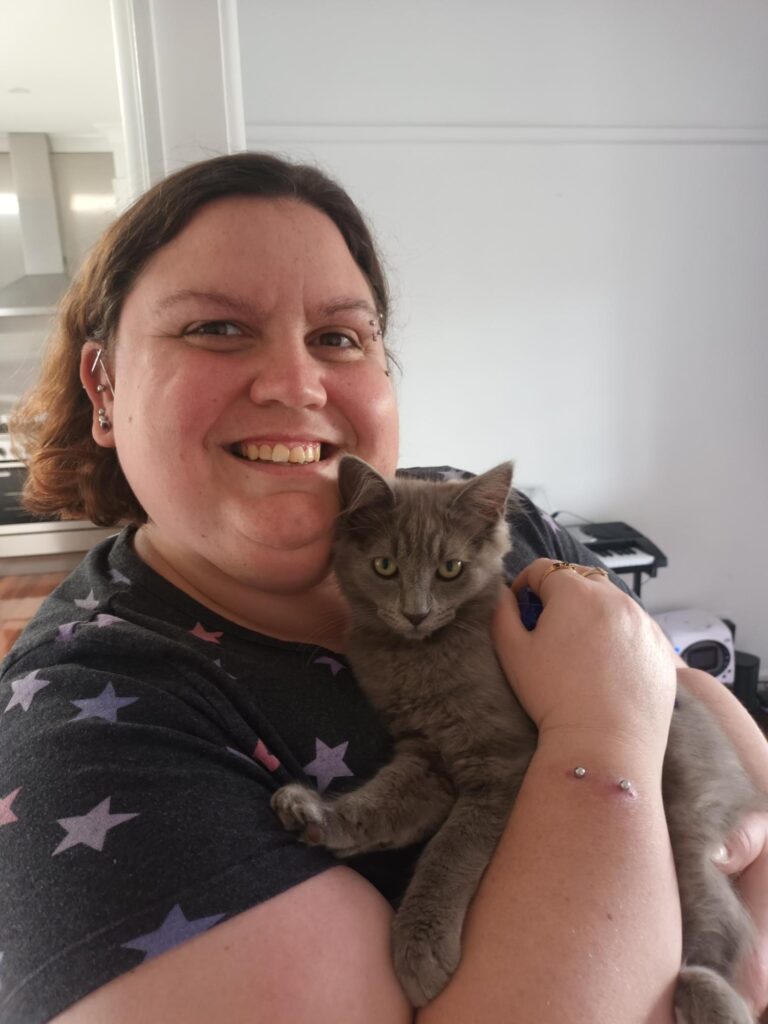
IAC also has an Aboriginal Support Coordinator on the team to support culturally responsive engagement, communication and coordination for Aboriginal and Torres Strait Islander participants.

Building Life Skills, Confidence, and Connection
Complex Case Coordination and Transition Support
Many participants require support across more than one system. This can include disability services, health services, hospitals, housing providers, justice services, community organisations, family supports and government agencies.
IAC supports complex coordination where participants are moving through major life transitions or experiencing instability.
This may include:
- hospital discharge planning
- transition from custody or justice settings
- movement from crisis or temporary accommodation into more stable housing
- coordination of Supported Independent Living or in-home supports
- connection with community-based services
- support following behavioural incidents, mental health crises or service breakdowns
- coordination with guardians, nominees, family members and professional teams
- helping rebuild service engagement after periods of disengagement
Our coordination model is practical, structured and outcomes-focused. We work to reduce confusion, improve communication between services, and support safer, more stable pathways for participants.
Coming Soon: 24/7 Crisis Support Hotline
Justice, Hospital, Housing and Community-Based Coordination
IAC can assist Aboriginal and Torres Strait Islander participants who require coordination across complex service environments, including:
Justice-Based Coordination
Support for participants who are justice-involved, transitioning from custody, subject to court-related matters, or needing coordinated support to reduce risk and improve stability in the community.
Hospital and Health Coordination
Support with discharge planning, hospital-to-home transitions, clinical communication, follow-up care, behavioural support coordination and links with appropriate disability and community services.
Housing and Accommodation Coordination
Support for participants experiencing housing instability, unsuitable accommodation, homelessness risk, SIL transition needs, or coordination between housing providers and support teams.
Community-Based Coordination
Support to connect participants with culturally appropriate, community-based and mainstream supports that strengthen independence, social connection, wellbeing and participation.


Building Life Skills, Confidence, and Connection
Working With Families, Communities and Professional Teams
IAC works collaboratively with participants, families, carers, support coordinators, guardians, clinicians, allied health professionals, behavioural support practitioners, housing teams, justice services and community organisations.
We understand that strong coordination requires more than referrals. It requires follow-through, communication, trust and shared accountability.
Where appropriate, we help ensure that each person involved understands their role, the participant’s goals, current risks, support needs and next steps.
Coming Soon: 24/7 Crisis Support Hotline
Why Choose IAC for Aboriginal Coordination?
IAC brings together culturally responsive engagement, clinical awareness and experience supporting participants with complex needs.
Our strengths include:
- Aboriginal Support Coordinator available within the team
- experience with complex participant needs
- support across NDIS, justice, hospital, housing and community settings
- trauma-informed and person-centred practice
- practical transition and crisis coordination
- strong collaboration with professional and informal support networks
- focus on participant safety, dignity, independence and long-term stability
Acknowledgement of Country
We acknowledge Aboriginal and/or Torres Strait Islander peoples and communities as the Traditional Custodians of the land and pay our respects to Elders past, present and emerging whose connection to the land and waters reaches back to the beginning of Ancestral time.
We recognise that sovereignty was never ceded.
We celebrate, value, and include people of all backgrounds, genders, sexualities, cultures, bodies, and abilities.
Coming Soon: 24/7 Crisis Support Hotline
Speak with Innovative Au Care
FAQs
What is Aboriginal Support Coordination?
Aboriginal Support Coordination helps Aboriginal and Torres Strait Islander participants understand and use their NDIS plan, connect with suitable providers, coordinate services and build supports in a culturally respectful way.
What is Aboriginal Specialist Support Coordination?
Aboriginal Specialist Support Coordination is designed for participants with more complex needs, including justice involvement, hospital discharge, housing instability, psychosocial disability, behavioural support needs or multiple services involved.
Does IAC have Aboriginal staff involved in coordination?
Yes. IAC has an Aboriginal Support Coordinator on the team to support culturally responsive engagement and coordination with Aboriginal and Torres Strait Islander participants.
Can IAC support participants transitioning from hospital or justice settings?
Yes. IAC can support participants with transition planning from hospital, custody, crisis accommodation or other complex environments into more stable community-based supports.
Can IAC work with families, guardians and community services?
Yes. IAC works collaboratively with participants, families, guardians, clinicians, service providers, justice services, housing providers and community organisations where appropriate.